

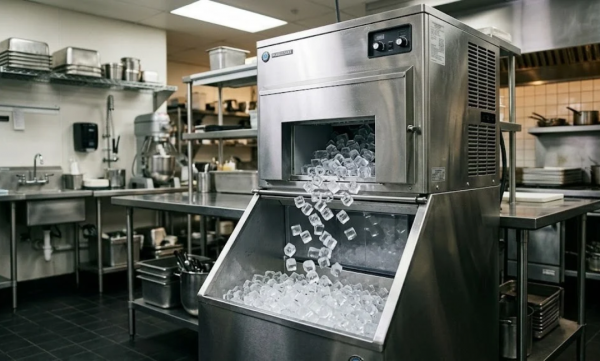
An ice machine that suddenly starts producing tiny, thin, or hollow cubes can quickly become a problem for restaurants, cafés, bars, hotels, and other busy businesses. When customers and staff depend on a steady supply of properly formed ice, reduced ice quality can affect daily operations.
But an ice machine making small ice cubes does not always mean that the machine needs a major repair. Often, the problem can be linked to restricted water flow, an overdue filter, mineral buildup, incorrect operating conditions, or another issue that can be identified through basic troubleshooting.
In this blog, you will learn what causes small ice cubes, how to identify the likely problem, what you can safely check, and when professional service is the better option.
Why Is My Ice Machine Making Small Cubes?
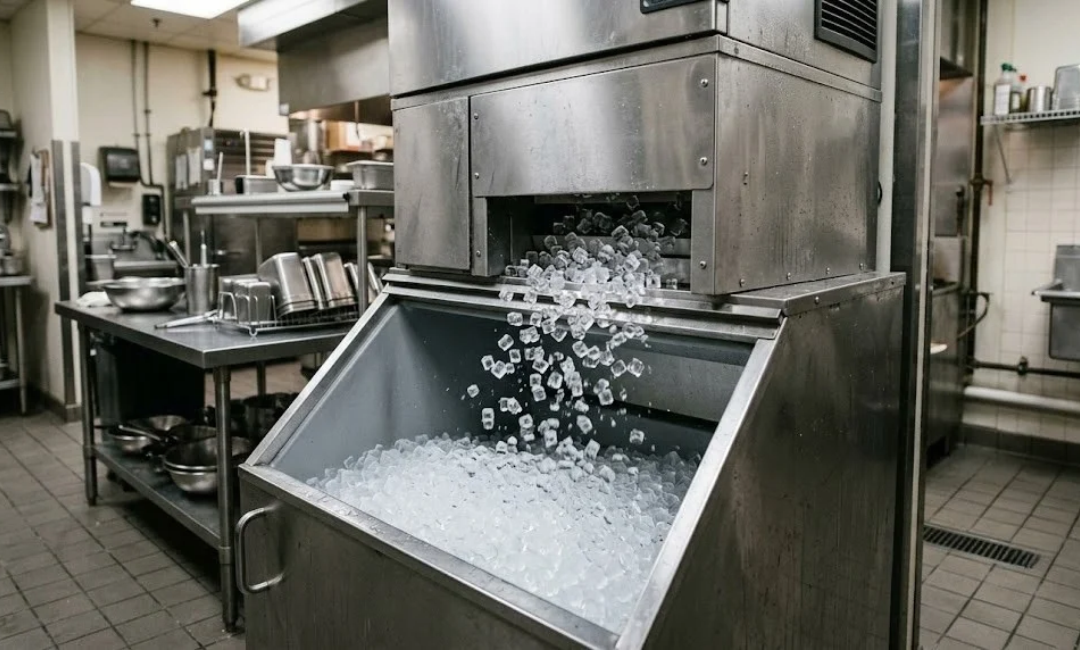
If you are wondering, why is my ice machine making small cubes? Start by looking at the amount of water reaching the ice-making system.
Commercial ice machines need a consistent water supply during each freeze cycle. If the machine receives less water than it needs, the ice can come out smaller, thinner, hollow, or irregular.
According to commercial ice machine troubleshooting guidance, water pressure, filtration, water supply components, cleanliness, and refrigeration conditions can all affect ice production.
The good news is that several common causes are relatively straightforward to investigate.
Check the Water Supply First
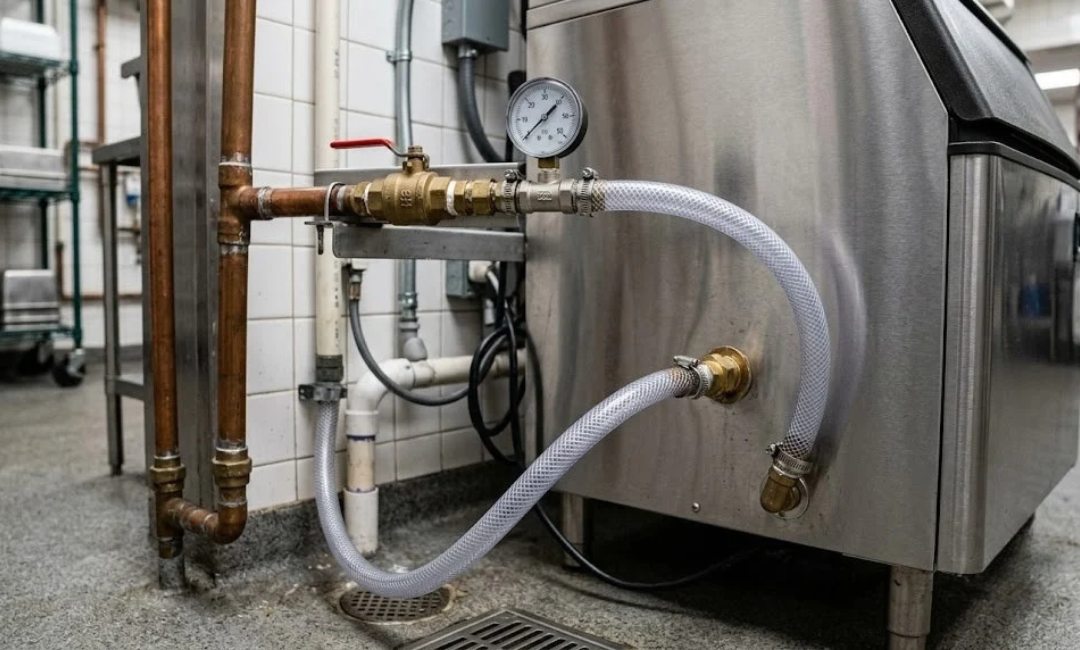
One of the most common causes of small ice cubes is restricted water flow.
Start by checking whether the water supply valve is completely open. Then inspect the water line for kinks, bends, or visible damage that could restrict the flow.
Water pressure is also important. Many commercial machines operate within a specific pressure range, with Manitowoc documentation, for example, specifying 20 to 80 PSI for incoming water pressure. However, the correct range depends on the individual machine, so always check the manufacturer’s specifications.
If water pressure is too low, the machine may not receive enough water during its fill cycle, resulting in undersized or hollow ice.
Replace a Clogged Water Filter
A water filter that has become clogged with sediment and mineral deposits can gradually reduce water flow.
This is particularly worth checking if the machine worked normally for months and the ice quality slowly became worse. A restricted filter can allow some water through while still limiting the volume reaching the ice-making system.
Check the filter replacement schedule recommended for your specific machine. If it is overdue, replacing it with the correct approved filter may restore proper water flow.
Do not assume that every filter is interchangeable. Using the wrong filter can create additional flow problems.
Look for Mineral Scale and Buildup
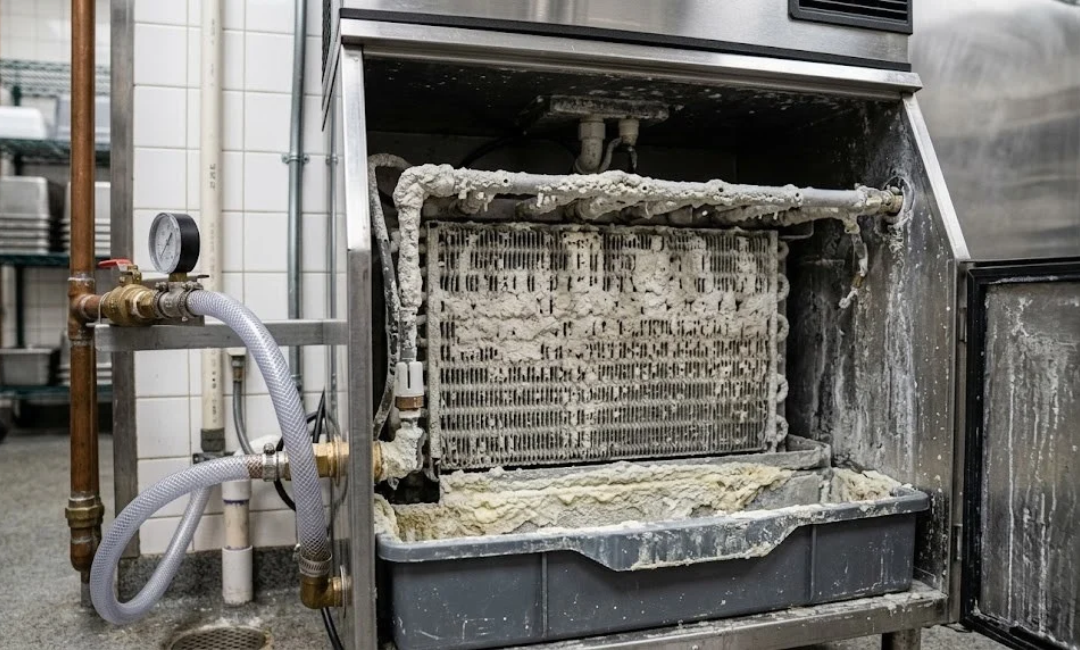
Mineral deposits are another common reason for commercial ice machine problems.
Hard water can leave scale on water distribution components, evaporator surfaces, spray tubes, and other internal parts. As buildup increases, water may not distribute properly across the ice making surface.
Manufacturers recommend regular cleaning to help prevent mineral accumulation and maintain proper ice production. Hoshizaki troubleshooting information, for example, identifies dirty water systems and water quality as potential contributors to abnormal ice.
If your machine has not been cleaned recently, follow the manufacturer’s cleaning procedure and use the recommended cleaning products.
Inspect the Condenser and Airflow
Water is not always the problem.
For air-cooled commercial ice machines, a dirty condenser can restrict heat transfer and make the machine work harder. Grease, dust, and debris can accumulate around equipment, especially in busy commercial kitchens.
Poor ventilation and insufficient clearance can also affect operating conditions.
If the condenser is dirty, switch the machine off and follow the manufacturer’s cleaning instructions. Do not remove panels or work around electrical components unless you are qualified to do so.
Check for Temperature and Refrigeration Issues
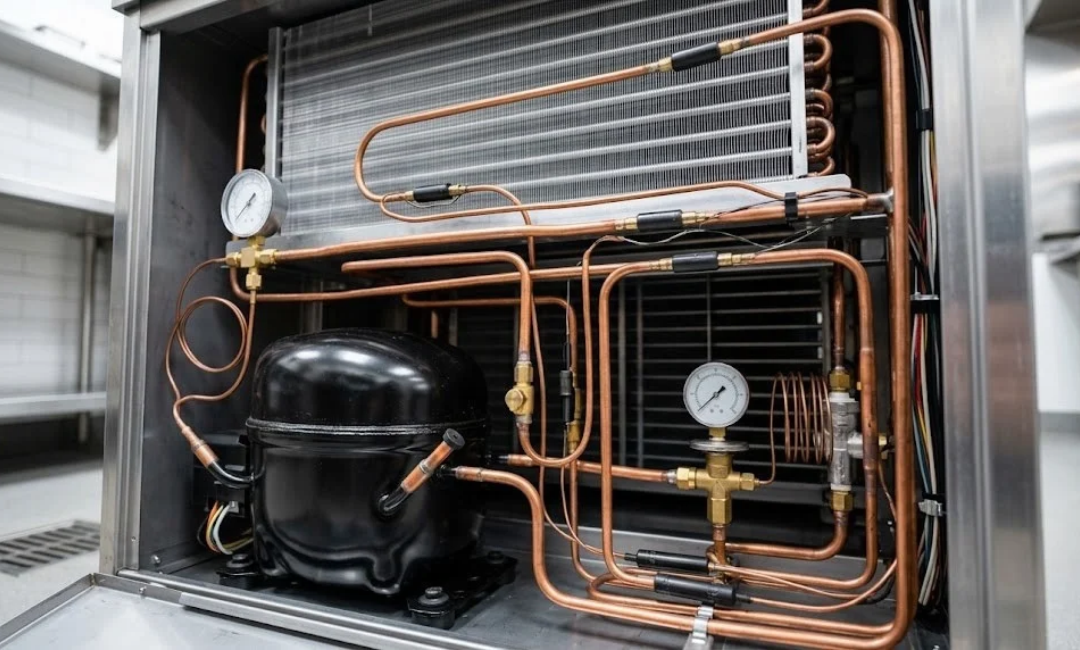
If the water supply, filter, and cleanliness all appear normal, the problem could involve the refrigeration system.
Issues involving refrigerant charge, evaporator performance, temperature controls, water valves, pumps, or other internal components can affect the freeze cycle. Hoshizaki troubleshooting documentation lists several refrigeration and water system components when investigating abnormal ice and low production.
This is where professional commercial ice machine troubleshooting becomes important. Refrigeration systems require specialist equipment and knowledge, so attempting to repair sealed refrigeration components yourself can create additional damage or safety risks.
How Do I Fix Thin or Hollow Ice Cubes?
If you are asking, How do I fix thin or hollow ice cubes?, work through the basics in a logical order.
First, check the water supply and make sure the valve is fully open. Inspect the water line for restrictions and check the filter. Next, look for visible mineral buildup and follow the manufacturer’s recommended cleaning procedure.
If these checks do not solve the problem, the machine may require professional diagnosis.
Do not simply adjust settings repeatedly or keep restarting the machine. A reset might temporarily change the symptoms without addressing the underlying problem.
When Should You Call for Ice Machine Repair?
Some problems are better handled by a trained technician.
Consider professional service when the machine continues producing small cubes after basic water and cleaning checks, water pressure remains abnormal, the machine is leaking, unusual noises are present, ice production has dropped significantly, or refrigeration components may be involved.
A technician can inspect the water inlet system, valves, pumps, evaporator, condenser, controls, and refrigeration system to identify the actual cause rather than replacing parts unnecessarily.
For businesses that rely on their equipment every day, addressing a developing issue early can also help prevent a minor problem from becoming a larger equipment failure.
Prevent Small Ice Cubes From Coming Back
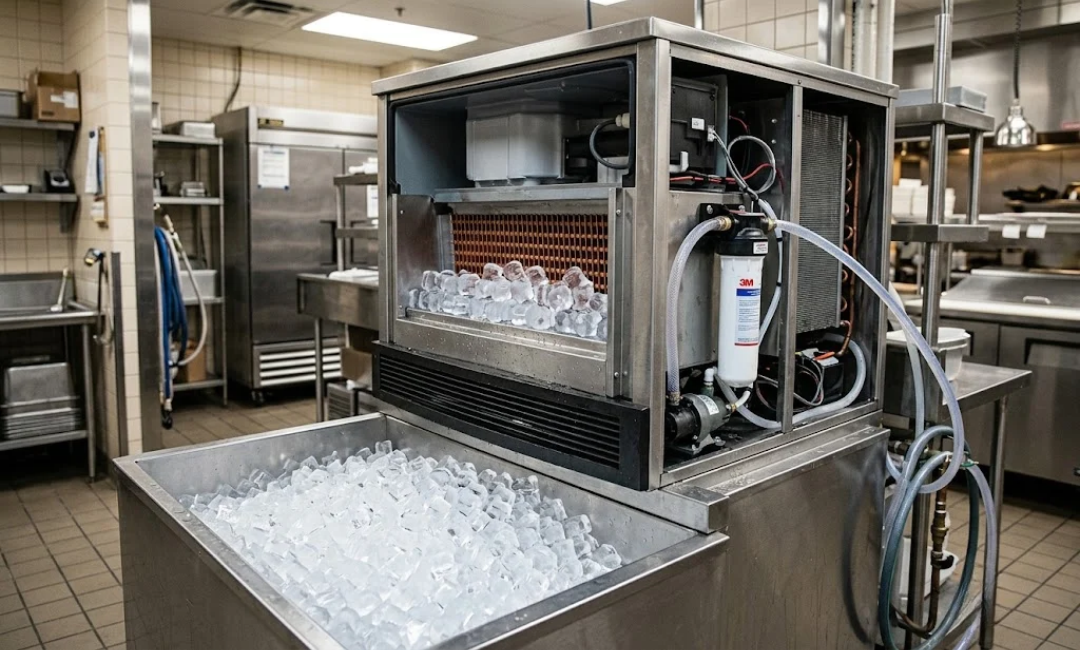
Prevention is often easier than dealing with repeated ice quality problems.
Create a regular maintenance routine that includes checking water filters, cleaning the machine according to manufacturer instructions, inspecting the condenser, checking water supply conditions, and monitoring changes in cube size.
Pay attention to gradual changes. If your machine normally produces full, consistent cubes and suddenly starts making thin or hollow ice, that change is useful diagnostic information.
Regular maintenance can help your machine maintain consistent ice quality and reduce unexpected interruptions during busy service periods.
Final Thoughts
Small or hollow ice cubes are often the first visible sign that something is affecting your ice machine’s water flow, cleanliness, temperature, or operating performance. Understanding the causes of small ice cubes can help you identify simple problems before they become more disruptive.
Check the water supply, filter, airflow, and cleanliness first. If the problem continues, professional repair can help identify internal component or refrigeration issues safely and accurately.
When your commercial ice machine is not producing the ice your business needs, timely service can help get production back on track. Do not let small ice cubes slow down your business. Contact FixIce today for dependable ice machine service and get your equipment back to producing the consistent ice your business needs.
Frequently Asked Questions
1. Why is my ice machine making small cubes?
The most common possibilities include restricted water flow, low water pressure, a clogged filter, mineral buildup, or problems affecting the freeze cycle. Check your machine’s water supply and filter first, then follow the manufacturer’s troubleshooting instructions.
2. How do I fix thin or hollow ice cubes?
Check that the water supply valve is fully open and the supply line is not restricted. Inspect the filter and clean the machine according to the manufacturer’s instructions. If the cubes remain thin or hollow, professional inspection may be necessary.
3. Can a dirty ice machine cause small ice cubes?
Yes. Mineral scale and buildup can interfere with water distribution and ice formation. Regular cleaning and descaling according to the manufacturer’s recommendations can help maintain consistent ice quality.
4. Can low water pressure affect commercial ice production?
Yes. Insufficient water pressure can prevent the machine from receiving enough water during its fill cycle. Commercial machines have specific water pressure requirements, so check the specifications for your particular model.
5. When should I call a professional for commercial ice machine troubleshooting?
Call a professional if basic checks do not resolve the problem, or if you notice leaks, unusual noises, repeated production problems, electrical concerns, or possible refrigeration system issues. A trained technician can diagnose the machine without unnecessarily replacing working components.