


In the fast-paced world of New York City hospitality, a frozen beverage machine is more than just a kitchen appliance. It is a revenue engine. Whether you are running a busy restaurant, a café in Manhattan, or a high-volume event venue in Brooklyn, these machines are essential for keeping customers happy and sales climbing.
However, when the slush stops flowing, the stress starts mounting. A malfunctioning machine during a midsummer rush does not just mean lost sales; it means frustrated customers and unnecessary pressure on your staff. Understanding why these issues happen and how the pros fix them is the first step toward keeping your cool.
Common Slushy Struggles and Expert Fixes
Running a business in NYC presents unique challenges, from tight spaces to high-demand environments that put extra strain on your equipment. Here is a look at the most common problems NYC business owners face and how professional technicians resolve them.
1. Inconsistent Freezing or Slushy Texture
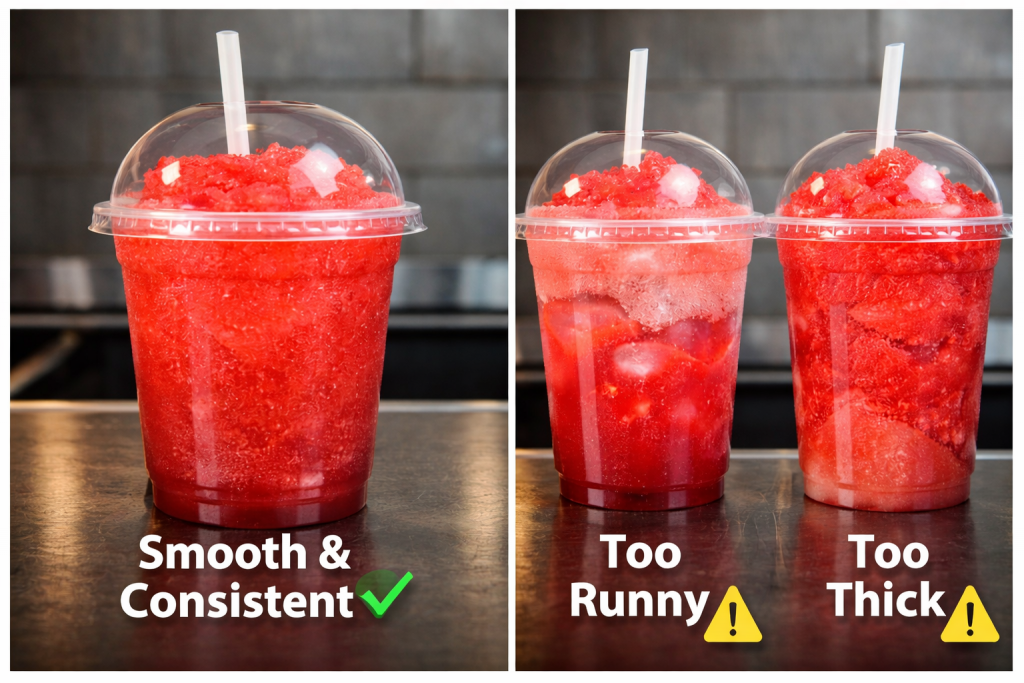
One of the most frequent complaints from business owners is inconsistent drink texture. Instead of smooth frozen beverages, machines may produce drinks that are too runny or overly thick. This issue is often caused by:
- Incorrect Settings: Temperature or calibration settings might be slightly off.
- Mechanical Wear: Worn out augers or damaged seals can prevent proper mixing.
- System Issues: Low refrigerant levels or poor airflow often lead to texture problems.
The Expert Solution: Technicians begin by checking calibration settings and internal sensors to restore optimal consistency. They also ensure the refrigeration system is functioning properly and that ventilation is not blocked.
2. Machine Not Freezing at All
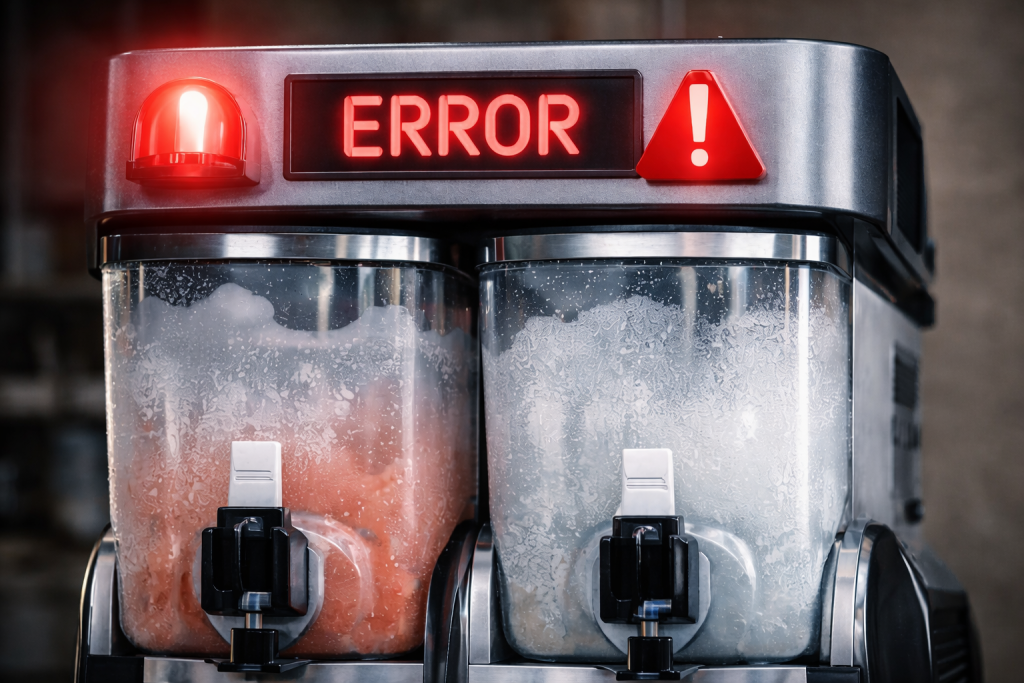
When a machine fails to freeze entirely, it usually indicates a more serious internal failure. Compressor problems, refrigerant leaks, or electrical failures are common causes, especially in high usage NYC environments.
The Expert Solution: Certified technicians diagnose these issues using specialized tools to test compressor performance and inspect wiring. They are also trained to safely handle refrigerant systems. Attempting DIY fixes on these components can worsen the problem, making expert service critical.
3. Leaking Machines and Messy Counters
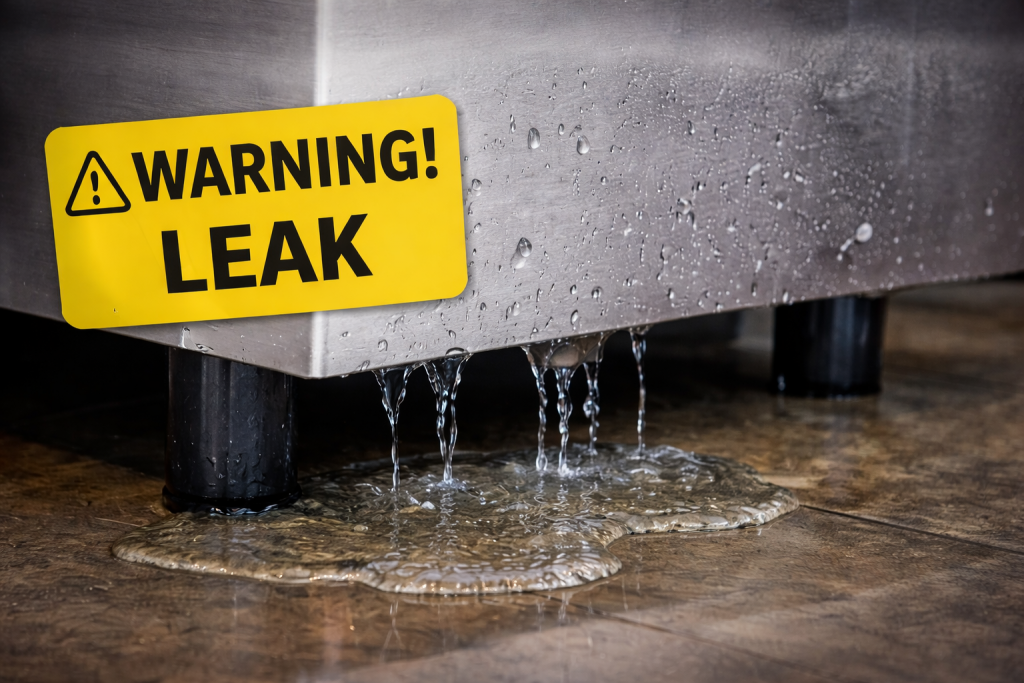
Puddles under your machine are more than just a mess; they create safety hazards and health code concerns. Leaks typically stem from cracked hoses, clogged drains, loose fittings, or damaged seals.
The Expert Solution: Professionals identify the exact source of the leak and replace damaged parts with manufacturer approved components. Preventive maintenance often includes cleaning drain lines and tightening internal connections to avoid future leaks.
4. Overheating and Frequent Shutdowns
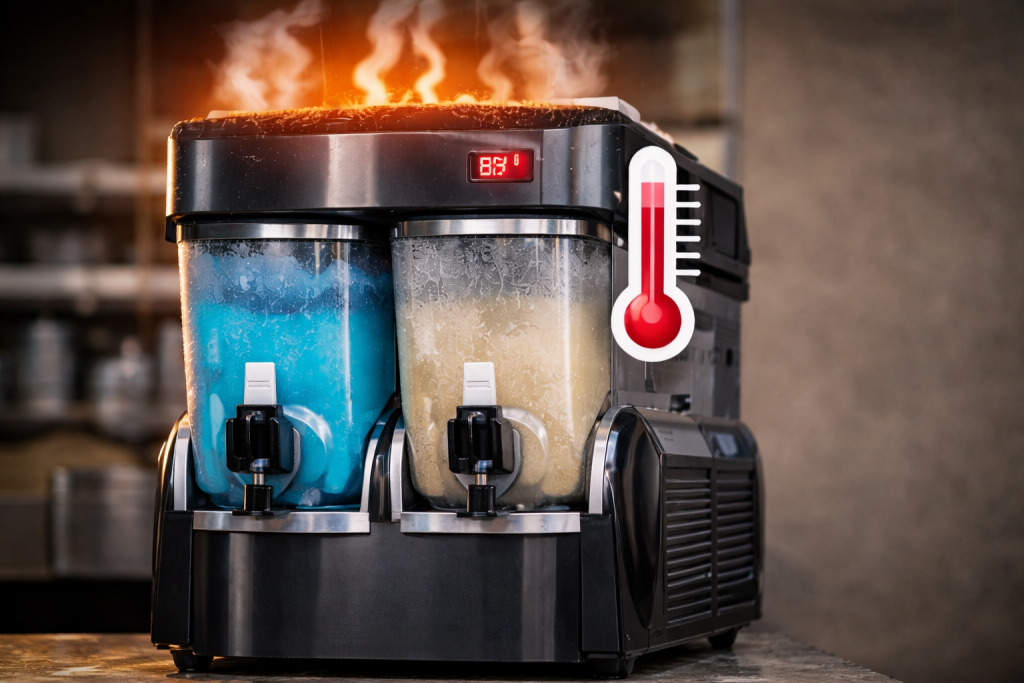
In busy kitchens or compact NYC spaces, machines are often placed too close to walls or surrounded by heat generating equipment. This leads to airflow issues and dirty condensers, causing the machine to overheat and shut down repeatedly.
The Expert Solution: Experts clean condenser coils to remove dust and grease buildup. They may also recommend relocating the machine or adjusting its placement to ensure proper ventilation and reduce strain on internal components.
5. Unusual Noises During Operation
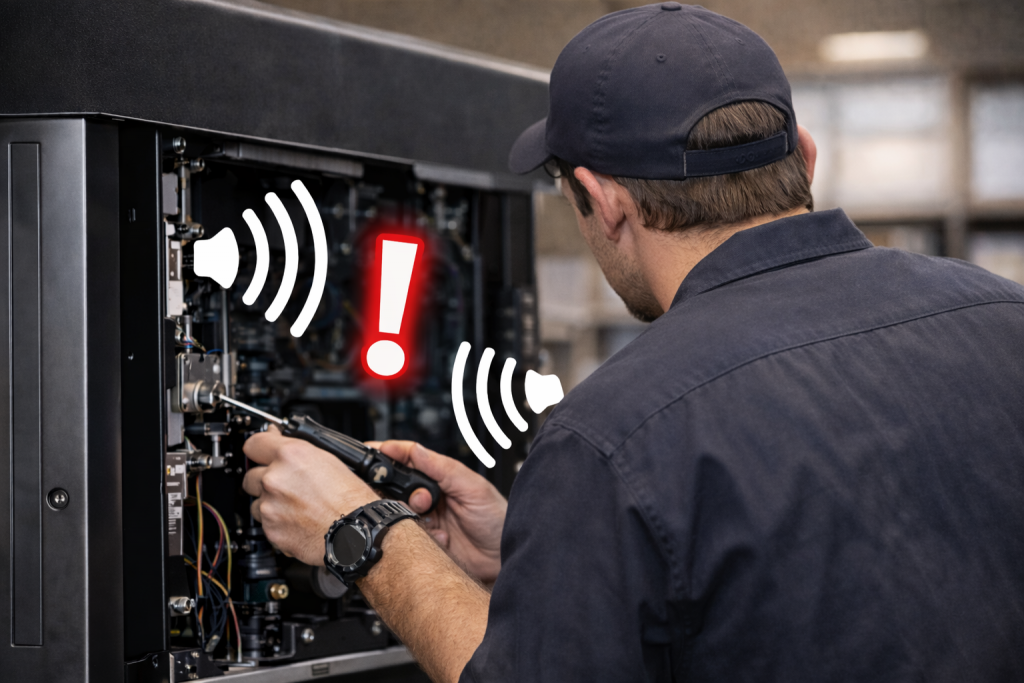
Grinding, squealing, or rattling noises are clear signs that something is wrong internally. These sounds often indicate worn bearings, misaligned augers, or motor issues.
The Expert Solution: Experienced technicians quickly identify the cause and replace failing parts before they damage other components. Ignoring these noises can lead to complete equipment failure, whereas timely repair can significantly extend the life of your machine.
Why Expert Repair Matters for Your Business
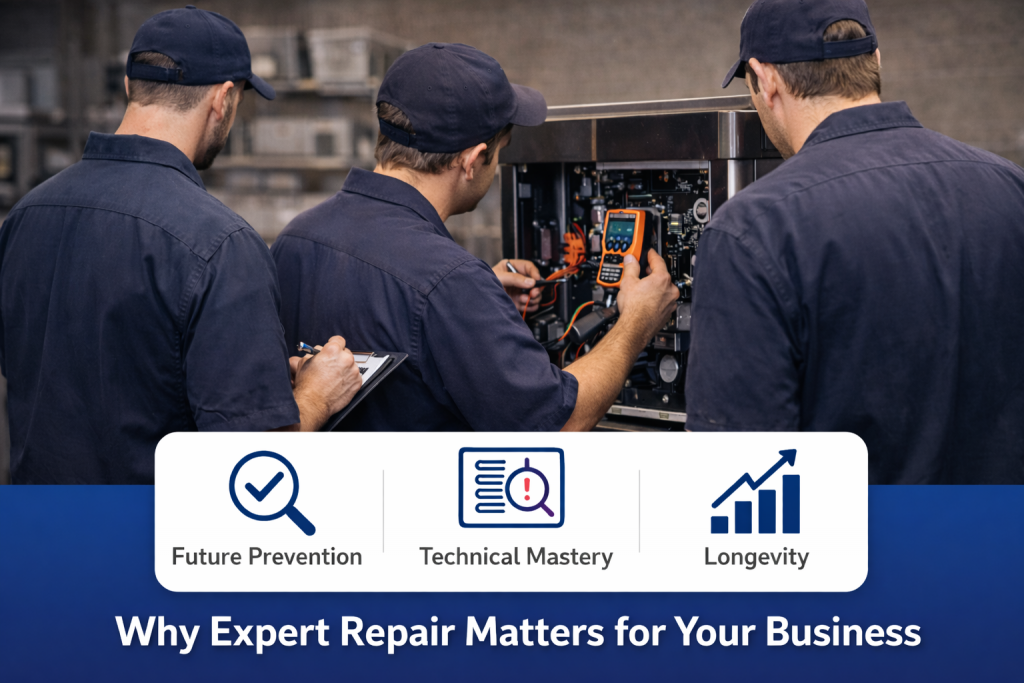
New York City businesses operate in fast paced, high demand environments where delays in repairs result in lost customers and negative reviews. Professional frozen beverage technicians understand this urgency and provide fast, reliable service designed for commercial operations. Expert repairs provide more than a quick fix:
- Future Prevention: Routine inspections help prevent future breakdowns.
- Technical Mastery: Pros are trained to accurately interpret and address complex digital error codes.
- Longevity: Professional care reduces long term costs by extending the life of these valuable assets.
Get Your Machine Back in Top Shape
Do not let a broken machine freeze your profits. If you need reliable and professional frozen beverage repair nyc, contact the FixIce team today to schedule fast service and keep your machines running at peak performance.
Customer Queries:
1. Why is my frozen beverage machine leaking from the bottom?
Leaks are frequently caused by cracked hoses, clogged drains, loose fittings, or damaged seals. Because these leaks can create safety hazards and health code issues, a professional should identify the source and replace the faulty parts with manufacturer approved components.
2. What should I do if my machine displays an error code?
Modern machines use digital displays to show error codes when mechanical or electrical problems arise. While these codes are helpful, they require technical knowledge to interpret accurately. A repair expert can reset the system, update software, and fix the underlying issue causing the alert.
3. How can I prevent my machine from overheating in a small kitchen?
Overheating is usually caused by dirty condensers or poor airflow in compact spaces. You should ensure the machine has proper spacing for ventilation and have an expert regularly clean dust and grease from the condenser coils.