

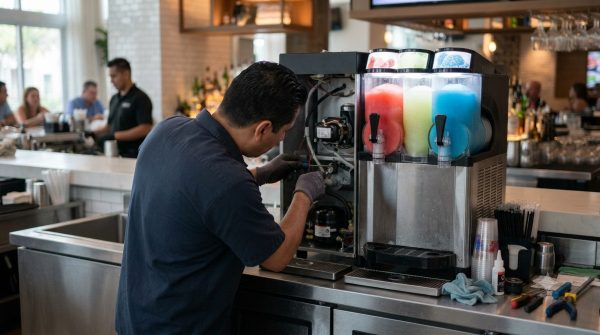
Frozen drink machines are essential for restaurants, cafes, convenience stores, and other businesses serving refreshing beverages. Regular frozen drink machine maintenance helps maintain drink quality, improve equipment performance, and avoid unexpected repair expenses. With the right cleaning routine, regular inspections, and professional servicing, businesses can keep their machines running smoothly and reduce costly downtime.
Imagine a busy summer afternoon when customers are lining up for their favorite frozen drinks. Suddenly, your machine starts dispensing watery slush or stops freezing altogether. Orders get delayed, customers become frustrated, and your team struggles to keep service moving. For any business that relies on frozen beverages, a machine breakdown can quickly affect sales and customer satisfaction.
The good news is that many equipment problems can be prevented with consistent care. Proper frozen beverage machine maintenance is not just about keeping the machine clean. It also involves monitoring performance, checking important components, and identifying small problems before they become expensive repairs.
In this blog, you will discover practical frozen beverage machine maintenance tips that can help extend equipment life, maintain beverage quality, and reduce unexpected breakdowns. Whether you operate a restaurant, cafe, or convenience store, these simple maintenance habits can make a real difference.
1. Make Daily Cleaning a Priority
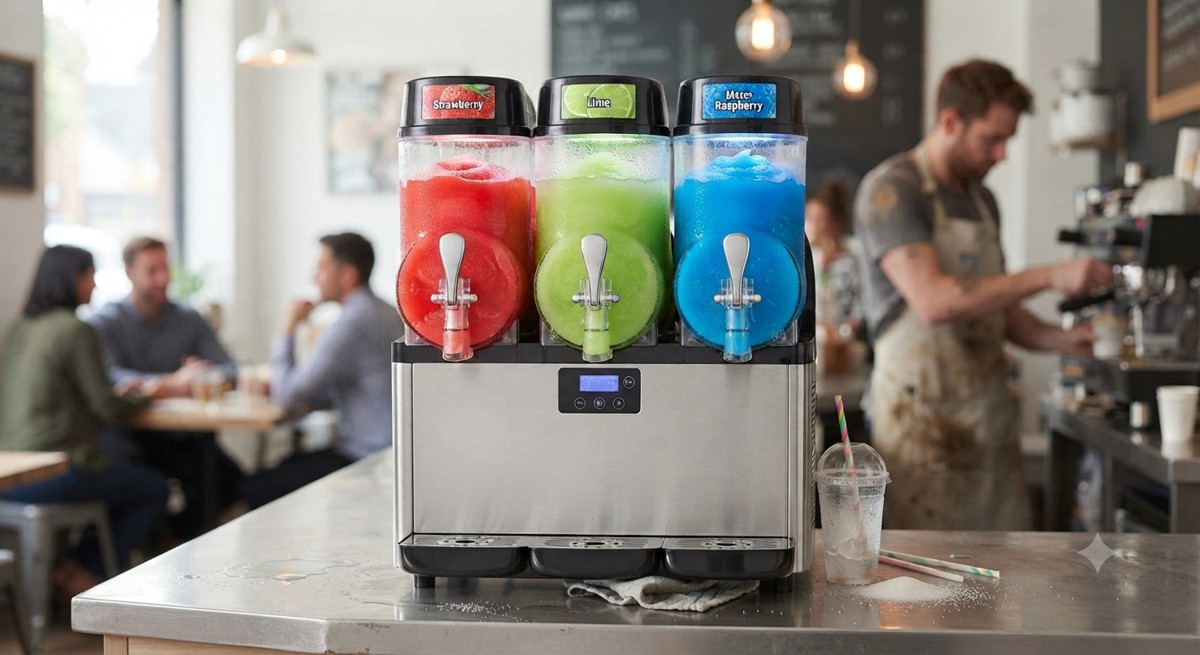
One of the most important aspects of slush machine maintenance is keeping the equipment clean. Frozen beverages contain sugar, syrups, and flavoring ingredients that can leave sticky residue inside the machine. Over time, this buildup may affect drink quality, create hygiene concerns, and interfere with dispensing components.
At the end of each operating day, clean the exterior, dispensing area, and drip tray. Follow the manufacturer’s instructions for emptying, disassembling, cleaning, and sanitizing product contact parts.
Use approved cleaning solutions and avoids harsh chemicals that may damage seals or internal components. Always rinse and sanitize parts as directed before returning the machine to service.
A consistent cleaning routine helps keep beverages fresh while reducing the risk of avoidable equipment issues.
2. Keep the Condenser Clean and Maintain Proper Airflow
Your frozen drink machine needs proper airflow to remove heat and maintain the correct freezing temperature. When dust, grease, or debris collects around the condenser, the refrigeration system may have to work harder than necessary.
This extra strain can reduce cooling efficiency and contribute to overheating or compressor problems.
As part of your frozen drink machine maintenance routine, inspect the condenser and surrounding ventilation areas regularly. Clean accessible filters and vents according to the equipment manual. Ensure the machine has enough space around it and is not positioned against a wall or surrounded by equipment that blocks airflow.
Businesses operating near cooking equipment may need more frequent cleaning because grease and dust can accumulate faster.
3. Monitor Drink Consistency and Freezing Performance
Customers expect their frozen beverages to have a consistent texture. A slush drink that is too watery or unusually thick may indicate an issue with the machine’s settings, ingredients, or freezing system.
Pay attention to how quickly the machine freezes the mixture and whether the texture changes throughout the day. Also, ensure ingredients are prepared according to the manufacturer’s recommended proportions.
Incorrect sugar concentration can affect freezing performance. Using an unsuitable mixture may cause the machine to struggle or produce inconsistent results.
If the machine takes longer to freeze, produces unusual textures, or struggles to maintain its normal performance, arrange a professional inspection rather than repeatedly adjusting settings without understanding the cause.
4. Inspect Seals, Gaskets, and Dispensing Components
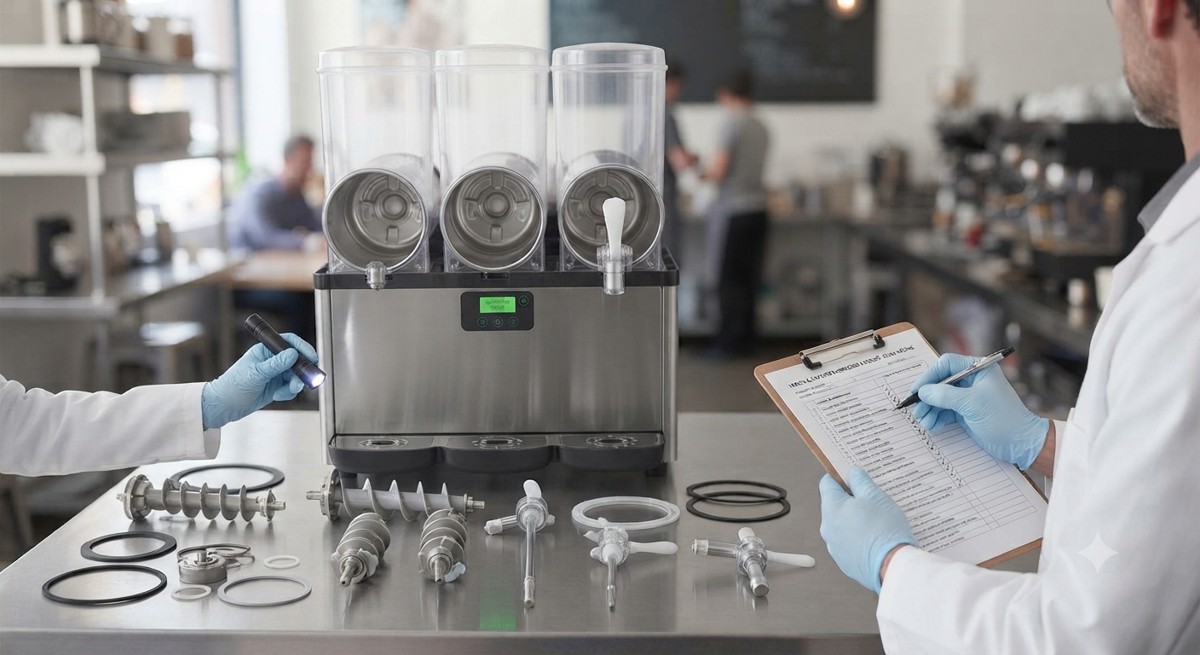
Small components often play a major role in preventing expensive repairs. Seals, O rings, gaskets, and dispensing valves help keep the machine properly assembled and prevent product leakage.
During routine cleaning, inspect these components for cracks, wear, looseness, or sticky residue. Check whether the dispensing handle moves smoothly and whether the drip tray is collecting more liquid than usual.
Damaged seals can cause leaks, affect product flow, and increase cleaning requirements. Replacing a worn component early is usually easier and more affordable than dealing with a larger equipment problem.
Use manufacturer-approved replacement parts and lubricants. If you notice recurring leaks or damaged internal components, contact a qualified service technician.
5. Follow a Reliable Slush Machine Cleaning Guide
A proper slush machine cleaning guide should cover more than wiping down the exterior. The internal parts that come into contact with beverages need regular cleaning and sanitizing too.
Follow these essential steps:
- Switch off and disconnect the machine as directed in the manual.
- Empty any remaining beverage mixture safely.
- Disassemble removable parts using the recommended procedure.
- Clean product contact surfaces with approved cleaning materials.
- Rinse and sanitize components according to the manufacturer’s instructions.
- Inspect seals and dispensing parts before reassembly.
- Reassemble the machine correctly and complete any required sanitizing cycle.
Never force parts apart or use sharp tools to remove frozen buildup. Incorrect handling can damage components and create unnecessary repair expenses.
6. Schedule Professional Preventive Maintenance
Daily cleaning and regular staff checks are essential, but they cannot replace professional maintenance. Internal components such as motors, refrigeration systems, electrical connections, and control systems require proper inspection.
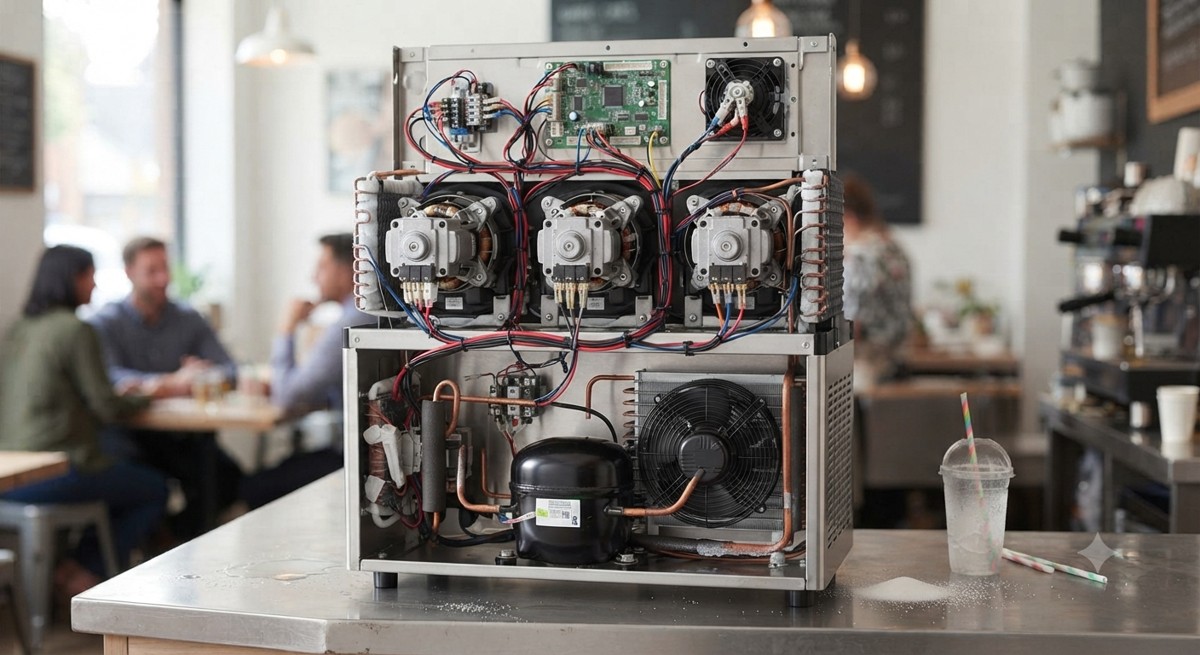
Professional slush machine maintenance allows technicians to identify wear that may not be visible during routine cleaning. They can inspect operating performance, check for leaks, and recommend repairs before a minor issue becomes a major breakdown.
For businesses with heavy usage, seasonal servicing before peak demand can be especially helpful. Follow the manufacturer’s recommended maintenance schedule and adjust it according to how frequently the machine operates.
FixIce provides commercial frozen beverage equipment maintenance and repair services to help businesses maintain reliable beverage operations.
7. Train Staff to Recognize Early Warning Signs
Your employees are often the first to notice when a machine is not working as it should. Training staff to recognize early warning signs can help prevent avoidable breakdowns.
Watch for unusual noises, slow freezing, inconsistent drink texture, leaks, excessive heat, or frequent changes in machine performance.
Create a simple maintenance checklist that staff can complete during opening and closing routines. Encourage them to report unusual behavior instead of ignoring it or attempting unauthorized repairs.
Understanding how to prevent frozen drink machine breakdowns starts with identifying small problems early. When staff know what to look for, businesses can arrange timely servicing and reduce the risk of sudden equipment failure.
Final Thoughts
A frozen drink machine that receives consistent care is more likely to deliver reliable performance, quality beverages, and fewer unexpected interruptions. Regular cleaning, proper airflow, component inspections, and professional servicing all play an important role in preventing costly repairs.
Following these frozen beverage machine maintenance tips can help protect your equipment and keep your business running smoothly. Small daily habits can make a significant difference to machine performance, operating costs, and customer satisfaction.
If your machine is showing signs of trouble or needs professional attention, FixIce can help with commercial frozen beverage equipment service and repair. Taking care of your machine today can help prevent a costly disruption tomorrow.
Frequently Asked Questions
1. How do I maintain a frozen drink machine?
Clean and sanitize product contact parts regularly, keep the condenser free from dust, inspect seals, monitor drink consistency, and follow the manufacturer’s maintenance schedule.
2. How often should a slush machine be cleaned?
Daily cleaning of exterior and dispensing areas is recommended. Internal cleaning and sanitizing should follow the manufacturer’s instructions and applicable food safety requirements.
3. Why is my frozen drink machine not freezing properly?
Possible causes include blocked airflow, incorrect mixture proportions, unsuitable temperature settings, or refrigeration issues. Professional inspection may be needed.
4. Can poor maintenance damage a frozen beverage machine?
Yes. Neglected cleaning, restricted airflow, worn seals, and delayed repairs can increase equipment strain and contribute to expensive breakdowns.
5. When should I call a professional for frozen drink machine repair?
Contact a technician if the machine overheats, makes unusual noises, leaks repeatedly, stops freezing, or shows persistent performance problems.